

Springfield Lakes Brush Removal Services
Choose our expert brush removal services for safe, efficient clearing that boosts your property's beauty and value—trusted by Springfield Lakes homeowners for reliability and outstanding results.
Get a Free QuoteOur Springfield Lakes Landscaping & Yard Care Services
When to Schedule Brush Removal in Springfield Lakes, Arizona – Seasonal Guide
In Springfield Lakes, Arizona, timing your brush removal is crucial for maintaining a safe and attractive landscape. The region’s unique climate—marked by hot, dry summers and mild winters—means that late winter through early spring is often the best window for brush clearing. This period, just after the last frost and before the onset of peak drought conditions, allows for easier removal and minimizes regrowth. Neighborhoods near Springfield Park and along Lakeside Drive often experience dense undergrowth due to shaded areas and varied soil types, making regular maintenance essential.
Local environmental factors such as unpredictable rainfall, high summer humidity, and the risk of wildfires also play a significant role in scheduling. For example, areas closer to the Springfield Wash may have heavier, moisture-retaining soils, while properties near the Sudbury Community Center might face municipal restrictions on debris disposal. Understanding these local nuances ensures your brush removal is both effective and compliant with community guidelines.
Local Factors to Consider for Brush Removal in Springfield Lakes
- Tree and shrub density in your yard or neighborhood
- Terrain slope and accessibility (especially near Springfield Park)
- Seasonal precipitation patterns and drought risk
- Local frost dates and humidity levels
- Municipal restrictions on brush disposal and burning
- Proximity to landmarks like Springfield Wash or Lakeside Drive
- Soil type and drainage characteristics
Benefits of Brush Removal in Springfield Lakes

Enhanced Curb Appeal
Improved Safety
Prevention of Pest Infestations
Healthier Plant Growth
Increased Usable Space
Professional and Reliable Service
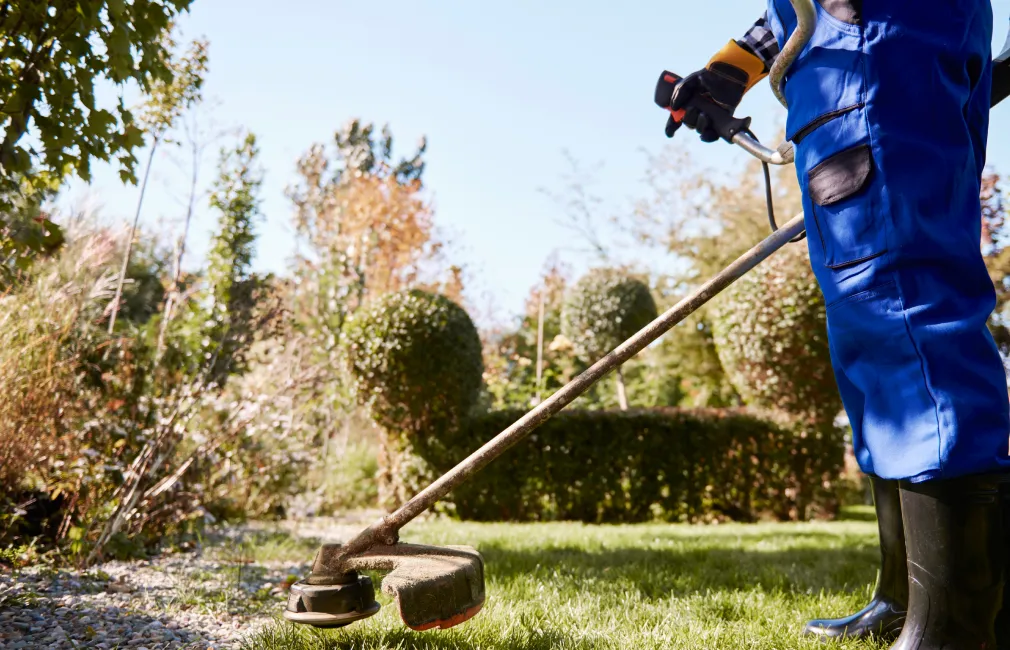
Springfield Lakes Brush Removal Types

Manual Brush Clearing
-
Mechanical Brush Removal
-
Mulching and Chipping
-
Controlled Burning
-
Herbicide Application
-
Selective Pruning
-
Stump Grinding
Our Brush Removal Process
Site Evaluation
Safety Preparation
Brush Clearing
Debris Removal
Final Inspection
Why Choose Springfield Lakes Landscape Services
Springfield Lakes Homeowners Trust Us
-
Comprehensive Lawn Maintenance
-
Reliable Irrigation Solutions
-
Expert Weed and Pest Control
-
Seasonal Clean-Up Services
-
Competitive Pricing
-
Professional and Friendly Team
-
Satisfaction Guarantee
Coordinating Brush Removal Through Springfield Lakes's Municipal Public Works Programs
Brush removal in Springfield Lakes requires coordination with local municipal services to ensure proper disposal and compliance with community standards. The City of Chandler, which administers services for the Springfield Lakes area, manages green waste collection and bulk debris pickup through its Public Works and Utilities division. Residents and property managers should verify current brush bundling and container requirements before placing material curbside, as accepted dimensions and scheduling may vary by season and neighborhood route.
- Brush generated from storm cleanup, lot clearing, or routine landscape maintenance must be separated from general household waste
- Large-volume brush hauling from commercial or multi-family properties may require coordination with approved transfer stations rather than curbside collection
- Right-of-way clearance along sidewalks, drainage corridors, and street frontages should be confirmed with the city before removal begins
- Debris must not be staged in washes, retention basins, or storm-drain inlets at any point during the removal process
Residents should contact Public Works directly to confirm current bulk pickup schedules and any seasonal restrictions that may apply to green waste volumes.
Chandler AZ Public Works & Utilities
Official Website: Chandler AZ Public Works & Utilities
How Springfield Lakes's Low-Desert Heat and Monsoon Cycles Affect Brush Removal
Springfield Lakes sits within the Phoenix metro low-desert environment, classified under USDA Hardiness Zone 9b to 10a, where extreme summer heat and intense monsoon storms directly shape brush accumulation and removal logistics. Soils in this area are predominantly alkaline sandy loam and compacted subdivision fill, often underlain by caliche layers that resist root penetration and concentrate surface debris after storms.
- Monsoon wind and rain dislodge dead branches, dried ornamental growth, and accumulated organic litter from mesquite, palo verde, and other desert-adapted species, creating sudden brush volumes across residential lots and common areas
- Extreme summer temperatures exceeding 110°F accelerate desiccation of trimmed vegetation, increasing fire risk when brush piles remain on-site for extended periods
- Alkaline soils and decomposed granite surfaces prevent rapid organic decomposition, meaning brush left in place persists far longer than in humid climates
- Retention basins and engineered washes throughout Springfield Lakes collect monsoon runoff, and loose brush can obstruct flow paths or clog inlet structures if not cleared promptly
These conditions make timely brush removal a matter of both property maintenance and neighborhood drainage protection.
Navigating Springfield Lakes's Stormwater and Environmental Compliance for Brush Removal
Brush removal activities in Springfield Lakes must account for stormwater regulations administered at both the municipal and state level. The City of Chandler operates under Arizona DEQ's Phase II MS4 program, which requires municipalities to prevent pollutants—including organic debris and sediment—from entering the storm-drain system. Property owners and contractors performing brush removal are responsible for ensuring that no material enters curb inlets, drainage channels, or retention basins during the process.
- Staging brush piles near washes, flood-control channels, or retention areas may violate local stormwater ordinances and federal Clean Water Act provisions
- Burning brush is prohibited within Chandler city limits; all removed material must be hauled to an approved disposal facility or placed for scheduled collection
- Properties adjacent to natural open space or drainage corridors should confirm setback and disturbance limitations with the city's environmental management division before clearing vegetation
Chandler AZ Environmental Management
Official Website: Chandler AZ Environmental Management
For properties where brush removal involves significant lot clearing or grading near engineered drainage infrastructure, the city may require review through its development services process. Verify current requirements with Chandler AZ Planning & Zoning if the scope extends beyond routine landscape maintenance.
Timing and Methods for Professional Brush Removal in Springfield Lakes's Climate
Scheduling brush removal in Springfield Lakes demands attention to seasonal heat patterns, monsoon timing, and vegetation growth cycles. The most effective removal windows fall in late spring before monsoon season begins and again in late fall after storm activity subsides, when temperatures are manageable for outdoor labor and debris volumes are predictable.
- Pre-monsoon clearing (May–June): Remove accumulated dead growth, dried ornamental trimmings, and wind-damaged branches before summer storms redistribute loose material across lots and into drainage paths
- Post-monsoon cleanup (October–November): Address storm-deposited debris, broken limbs, and organic litter that has collected in retention basins, fence lines, and common areas
- Cut-and-haul method: Brush is cut to manageable lengths, consolidated on-site away from drainage features, and transported to approved disposal facilities; this is the standard approach for residential and commercial properties
- Chipping: Larger-diameter woody material from palo verde, mesquite, or ironwood may be processed through mechanical chippers on-site, reducing haul volume and producing material suitable for landscape mulch where appropriate
Crews should avoid staging equipment or brush piles on decomposed granite surfaces near retention basins, as loose material can migrate into storm infrastructure during unexpected rainfall. All work should comply with local noise ordinances, and equipment access through gated communities or HOA-managed areas should be coordinated in advance.
Chandler AZ Fire Department
Official Website: Chandler AZ Fire Department
Dried brush accumulations near structures or fencing present a fire hazard during peak summer months; the Chandler Fire Department can provide guidance on defensible-space expectations and vegetation clearance near buildings.
What Neighborhoods Do We Serve Throughout Springfield Lakes, AZ?
- Springfield Lakes Phase I — Established lots with mature mesquite and palo verde trees generate consistent seasonal brush from canopy dieback and monsoon wind damage, requiring regular clearing along block walls and common-area perimeters.
- Springfield Lakes Phase II — Newer subdivision fill and compacted soils limit natural decomposition, meaning trimmed brush and storm debris persist on lots longer and require prompt haul-off.
- Springfield Lakes Phase III — Properties adjacent to engineered retention basins need careful brush staging to prevent organic material from migrating into stormwater infrastructure during monsoon events.
- Springfield Lakes Estates — Larger lot sizes and extended desert frontage produce higher brush volumes from native vegetation, particularly after high-wind events in late summer.
- Springfield Lakes Villas — Compact lots and shared landscape areas in this section require coordinated access for brush removal equipment, especially within HOA-managed common spaces.