
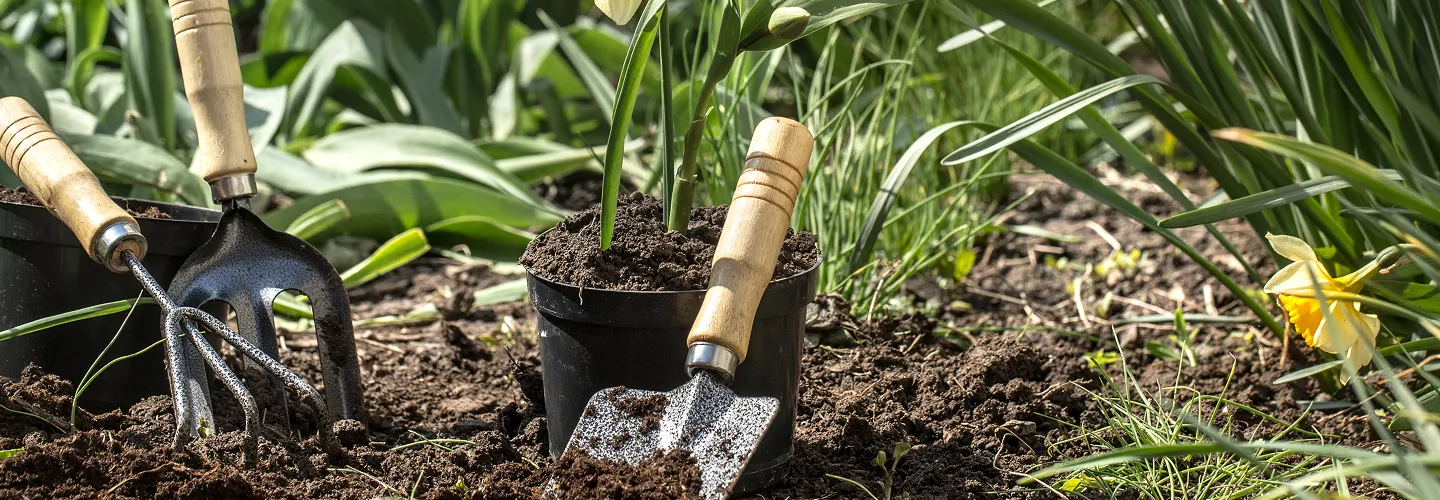
Springfield Lakes Flower Planting Services
Choose our flower planting services for vibrant, healthy blooms that enhance your home's beauty and curb appeal—our experienced team selects the best flowers for your soil and climate, ensuring lasting color and effortless maintenance.
Get a Free QuoteOur Springfield Lakes Landscaping & Yard Care Services
When to Schedule Flower Planting in Springfield Lakes, Arizona – Seasonal Guide
In Springfield Lakes, Arizona, timing your flower planting is crucial for vibrant, long-lasting blooms. The region’s unique desert climate, characterized by hot summers, mild winters, and sporadic rainfall, means that early spring and late fall are generally the best windows for planting. Local neighborhoods like Desert Vista and Lakeside Estates often see residents preparing their gardens just after the last frost date in late February or early March, taking advantage of the moderate temperatures before the intense summer heat arrives.
Environmental factors such as soil composition—often sandy with low organic matter—require careful amendment for optimal flower growth. Shade coverage from mature mesquite and palo verde trees, common in areas near Springfield Lake Park, can also influence planting locations and timing. Homeowners should be mindful of municipal watering restrictions, especially during drought-prone months. For more information on local guidelines and seasonal updates, visit the Springfield Lakes community resource page.
Local Factors to Consider for Flower Planting in Springfield Lakes
- Proximity to mature trees and resulting shade coverage
- Soil type and need for amendments (sandy, alkaline soils are common)
- Average last frost date (late February to early March)
- Summer drought risk and municipal watering restrictions
- Terrain variations, especially in neighborhoods near Springfield Lake Park
- Annual precipitation patterns and humidity levels
Benefits of Flower Planting in Springfield Lakes
Expert Local Knowledge
Custom Landscape Designs
Quality Plant Selection
Efficient Project Completion
Sustainable Landscaping Practices
Ongoing Maintenance Support
Springfield Lakes Flower Planting Types

Perennial Flower Beds
Long-lasting blooms that return year after year for vibrant landscapes.
-
Annual Flower Displays
Seasonal color with a wide variety of annual flowers for dynamic garden beds.
-
Native Plant Gardens
Low-maintenance and eco-friendly flower beds using local plant species.
-
Pollinator-Friendly Plantings
Flower selections designed to attract bees, butterflies, and other pollinators.
-
Shade Garden Flowers
Specialized flower types that thrive in low-light or shaded areas.
-
Drought-Tolerant Flower Beds
Resilient flower varieties ideal for water-wise landscaping.
-
Container Flower Arrangements
Versatile and movable flower plantings perfect for patios and small spaces.
Our Flower Planting Process
Site Evaluation
Soil Preparation
Plant Selection
Careful Planting
Watering and Mulching
Why Choose Springfield Lakes Landscape Services
Springfield Lakes Homeowners Trust Us
-
Comprehensive Lawn Maintenance
-
Reliable Irrigation Solutions
-
Expert Weed and Pest Control
-
Seasonal Clean-Up Services
-
Competitive Pricing
-
Professional and Friendly Team
-
Satisfaction Guarantee
Coordinating Flower Planting Projects with Springfield Lakes Municipal Programs and Departments
Flower planting in Springfield Lakes requires awareness of municipal landscape standards, neighborhood improvement guidelines, and water conservation expectations that shape how residential and commercial properties approach ornamental installations. Springfield Lakes falls within the City of Chandler's jurisdiction, and residents should coordinate with the Community Development Department when flower planting is part of a broader site improvement, frontage enhancement, or development-related landscape plan. The department can clarify whether proposed plantings along rights-of-way, common areas, or HOA-managed frontages require review or must conform to approved landscape palettes. For properties adjacent to public parks or streetscape corridors, the Urban Forestry program provides guidance on compatible plantings that align with municipal landscape management.
- Verify whether HOA or community design guidelines restrict flower species, bed dimensions, or irrigation methods before planting
- Coordinate with Community Development if planting is tied to a site improvement or code compliance action
- Confirm that irrigation modifications for new flower beds comply with current water conservation expectations
Chandler Community Development
Official Website: Chandler Community Development
Chandler Urban Forestry
Official Website: Chandler Urban Forestry
How Springfield Lakes's Low-Desert Heat and Alkaline Soils Affect Flower Planting
Springfield Lakes sits within the Phoenix metro low-desert environment, classified under USDA Hardiness Zone 9b to 10a, where summer temperatures routinely exceed 110°F and frost events are brief but possible between December and February. These conditions directly determine which flower species survive and when planting should occur. Soils throughout the area tend toward alkaline sandy loam, often with caliche layers at varying depths that restrict root penetration and drainage. Properties built on compacted subdivision fill may exhibit poor infiltration, requiring soil amendment before flower installation.
- Alkaline pH: Most native desert soils in Springfield Lakes range from 7.5 to 8.5 pH, which limits iron and nutrient availability for non-adapted flower species
- Caliche obstruction: Hardpan layers may require mechanical breaking or raised bed construction to allow adequate root development
- Reflected heat: Block walls, concrete driveways, and south-facing exposures intensify radiant heat, stressing flowers planted within several feet of hardscape
- Irrigation dependence: Rainfall averages roughly 8 inches annually, making drip emitter coverage essential for every flower bed installation
The Arizona Department of Water Resources provides landscaping guidance that emphasizes low-water-use plant selection suited to these conditions.
Navigating Springfield Lakes's Environmental and Stormwater Compliance for Flower Planting
Flower planting projects in Springfield Lakes must account for stormwater management obligations, particularly when soil disturbance, grading, or irrigation changes are involved. Under the Clean Water Act and Arizona's Phase II MS4 program, sediment, fertilizer, and soil amendments must not migrate into storm drains, retention basins, or wash corridors during or after installation. Properties near flood-control channels or drainage easements should take particular care to stabilize exposed soil promptly after bed preparation.
- Excess soil, mulch, and organic amendments must be contained on-site and kept out of curb inlets and street gutters
- Any chemical soil treatments or fertilizers applied during planting should follow Arizona DEQ stormwater guidance to prevent runoff contamination
- Flower beds installed on slopes or near washes require erosion-control measures such as rock borders, mulch barriers, or temporary silt containment
- Pesticide or herbicide applications in flower beds must be performed by individuals holding valid credentials through the Arizona Department of Agriculture
Chandler Environmental Management
Official Website: Chandler Environmental Management
Timing and Methods for Flower Planting in Springfield Lakes's Desert Climate
Professional flower planting in Springfield Lakes follows two primary installation windows dictated by temperature extremes. The fall window, typically mid-October through November, allows cool-season annuals such as petunias, pansies, snapdragons, and stock to establish before winter lows. The spring window, from late February through mid-March, suits warm-season and desert-adapted species including vinca, lantana, desert marigold, and angelita daisy before summer heat intensifies. Planting during peak summer months is generally avoided due to transplant shock and excessive water demand.
- Soil preparation: Amend alkaline native soil with sulfur or compost to improve nutrient availability and drainage before setting transplants
- Emitter placement: Position drip emitters within the root zone of each plant grouping, verifying coverage before backfilling
- Mulch application: Apply 2–3 inches of organic or decorite mulch around plantings to moderate soil temperature and reduce evaporation
- Exposure assessment: Select species based on actual sun exposure—full-sun beds along south and west walls demand heat-tolerant varieties, while north-facing or shaded beds support a broader palette
- Frost protection: Monitor National Weather Service forecasts during December through February and cover tender annuals when overnight lows approach 32°F
Hydrozoning—grouping flowers by water need alongside other landscape elements—reduces irrigation waste and aligns with regional water conservation standards.
What Neighborhoods Do We Serve Throughout Springfield Lakes, AZ?
- Springfield Lakes Phase 1 — Established lots with mature desert landscaping and drip-irrigated beds that benefit from seasonal flower rotation in shaded courtyard areas
- Springfield Lakes Phase 2 — Newer subdivision fill soils may require additional amendment and drainage verification before flower bed installation
- Chandler Heights Citrus — Larger lots with mixed irrigated and xeriscape zones where flower planting can complement existing citrus and shade tree canopies
- Sun Groves — Properties with south-facing block walls and compact yards where reflected heat demands careful species selection and emitter placement
- Riggs Homestead — Proximity to retention basins and drainage corridors requires erosion-conscious bed preparation and mulch containment during monsoon season
- Cooper Commons — HOA-managed frontages with established landscape palettes that may restrict flower species and bed configurations